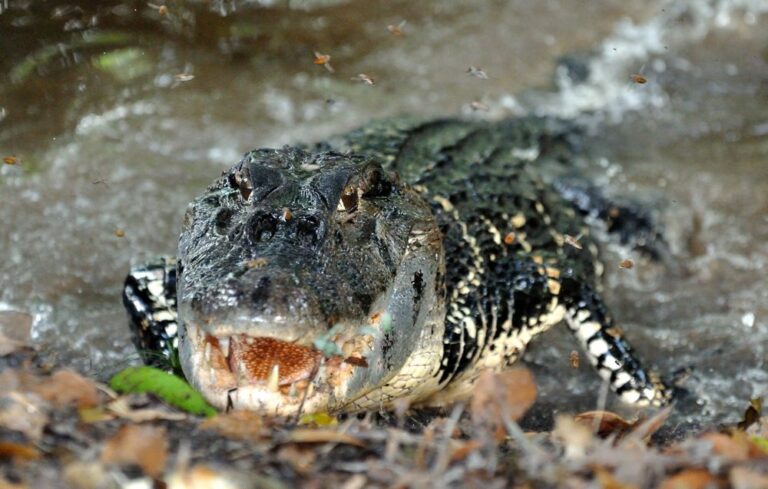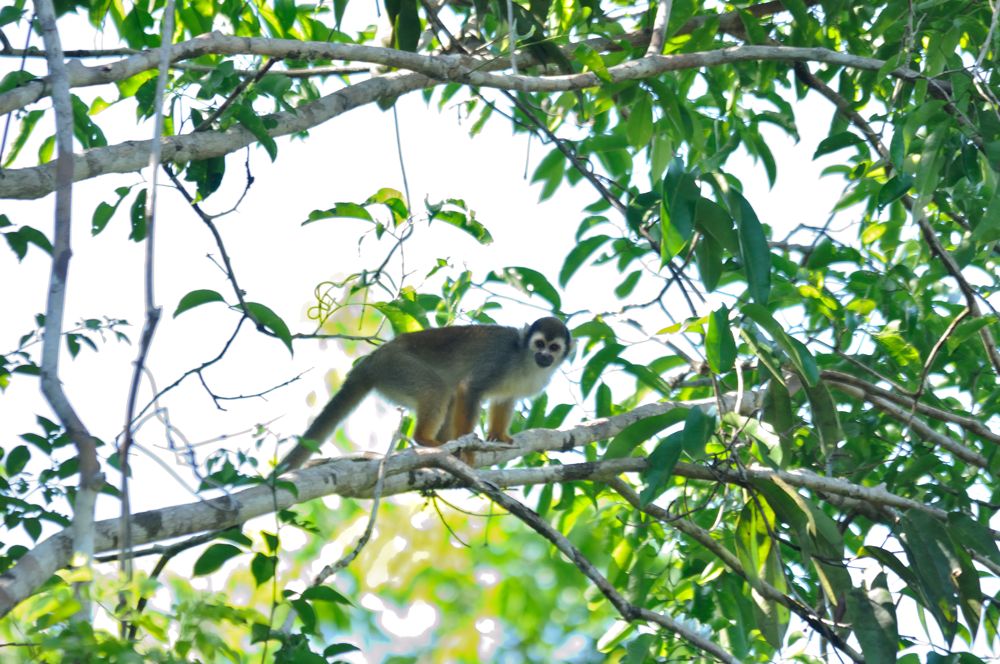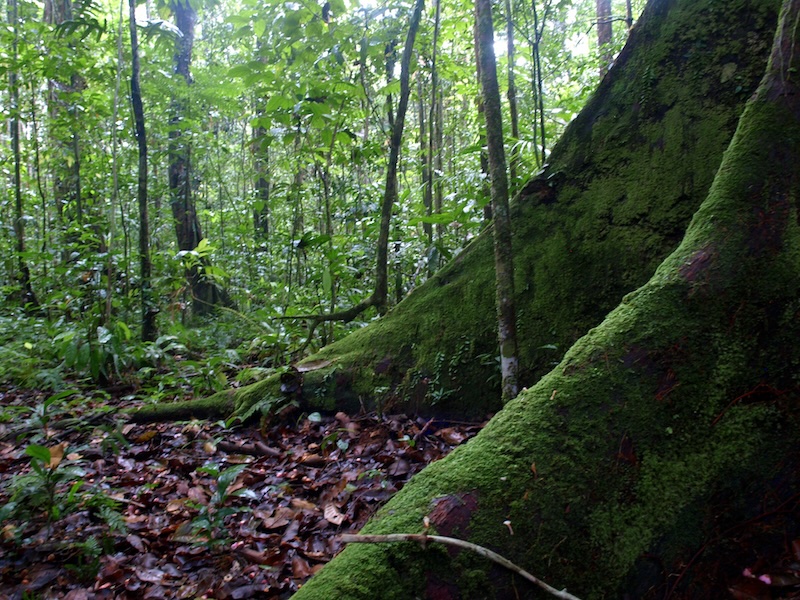
When people think of the Amazon, they often picture an immense expanse of tropical rainforest. The Amazon is much more than that: it is one of the most biodiverse ecosystems on Earth.
Home to millions of plant and animal species, the Amazon rainforest supports an extraordinary variety of life, much of which remains undiscovered or only partially understood by scientists. Towering trees, colorful birds, elusive mammals, amphibians, insects, and countless plant species coexist within a complex ecological network that has evolved over millions of years.
The importance of Amazon biodiversity extends far beyond South America. The rainforest plays a critical role in regulating the global climate by storing vast amounts of carbon, influencing rainfall patterns, and supporting essential ecological processes. Protecting this biodiversity means safeguarding not only unique species and habitats, but also environmental systems that benefit people around the world.
Today, however, the Amazon faces significant challenges. Deforestation, wildfires, and unsustainable land use continue to threaten ecosystems and the species that depend on them. Conservation efforts, scientific research, and the involvement of local and Indigenous communities are all essential to ensuring the long-term survival of this invaluable natural heritage.
Understanding the richness of Amazon biodiversity helps us appreciate why its protection matters. Every species, from the smallest insect to the largest tree, plays a role in maintaining the balance of one of the planet’s most important ecosystems.
Want to see this incredible biodiversity up close? Explore our Amazon biodiversity photo gallery and discover some of the remarkable species and landscapes that make the rainforest one of the most extraordinary places on Earth.
69373-000 – RR, Brasil
Sorry, the comment form is closed at this time.