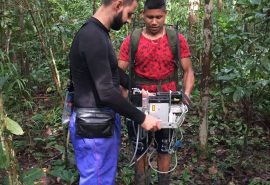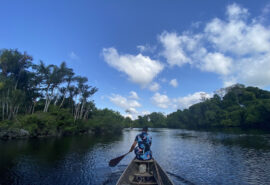
Traveling is a privilege. Doing it responsibly is a choice. Being a good eco-tourist means reducing your environmental impact, respecting local communities, and contributing to the protection of the places that welcome us. Nature is not a backdrop for our photos, but a delicate balance of which we are guests.
Choose responsible accommodations and operators: before booking, do your research. Prioritize eco-lodges, local guides, and organizations that invest in environmental conservation and community development. Conscious tourism supports the local economy and creates a tangible positive impact.
Reduce your environmental impact: even on vacation, good daily habits still apply:
In fragile ecosystems such as forests, islands, or protected areas, every small action counts.
Respect flora and fauna: do not pick plants, do not disturb animals, and always keep a safe distance. Do not feed wildlife: it can alter their natural behavior and put their health at risk. Observing without interfering is the most authentic form of respect.
Follow trails and local rules: marked paths exist to protect both you and the environment. Respecting guides’ instructions and protected area regulations is a sign of responsibility and awareness.
Support the local economy: buy authentic handicrafts, choose local restaurants, and take part in community-run activities. Tourism can be a tool for sustainable development if it distributes value within the territory.
Respect culture and traditions: every place has its own history, habits, and identity. Learn before you go, ask permission before photographing people, and show genuine interest. Travel thus becomes an exchange, not consumption.
Leave the place better than you found it: do not leave waste behind, pick up litter if you find any along the way, and share good practices when you return home. Eco-tourism does not end with the trip: it becomes a message to share.
Traveling with awareness is an act of love for the planet and for future generations.
What can you do for the Amazon?
Protecting the Amazon is not something that only concerns those who live in the forest or those who visit it. It concerns all of us. Every day. In every choice.
You do not need to be on the other side of the world to make a difference: just start with what you put on your plate, what you buy, and what you choose to support.
Choosing to consume less and better is already a powerful act. Inform yourself about the origin of products, prefer sustainable supply chains, and reduce meat consumption to ease the pressure on intensive livestock farming, one of the main causes of deforestation.
Every meal can become a statement of intent.
The way you invest or spend your money also matters. Choosing ethical finance, avoiding uncertified gold, reducing waste, and embracing the circular economy — reuse, repair, recycle — means supporting a model that does not devour the future.
Then there are everyday gestures, the ones that seem small but are not at all: use water carefully, avoid waste, and prefer quality over quantity.
Finally, there is the power of words. Talking about the Amazon, sharing reliable information, and raising awareness among those around you creates consciousness. And awareness generates change.
Protecting the Amazon is not only an environmental issue: it is a choice of global responsibility. It is deciding which side to stand on.
And remember: no action is too small when millions of people choose to take it.
📸 credits: Andrea Ercole, Andrea Frazzetta, Carla Oliveira, Antonella Pastore, Luca Locatelli
69373-000 – RR, Brasil
Sorry, the comment form is closed at this time.